Discover Fresh Basil
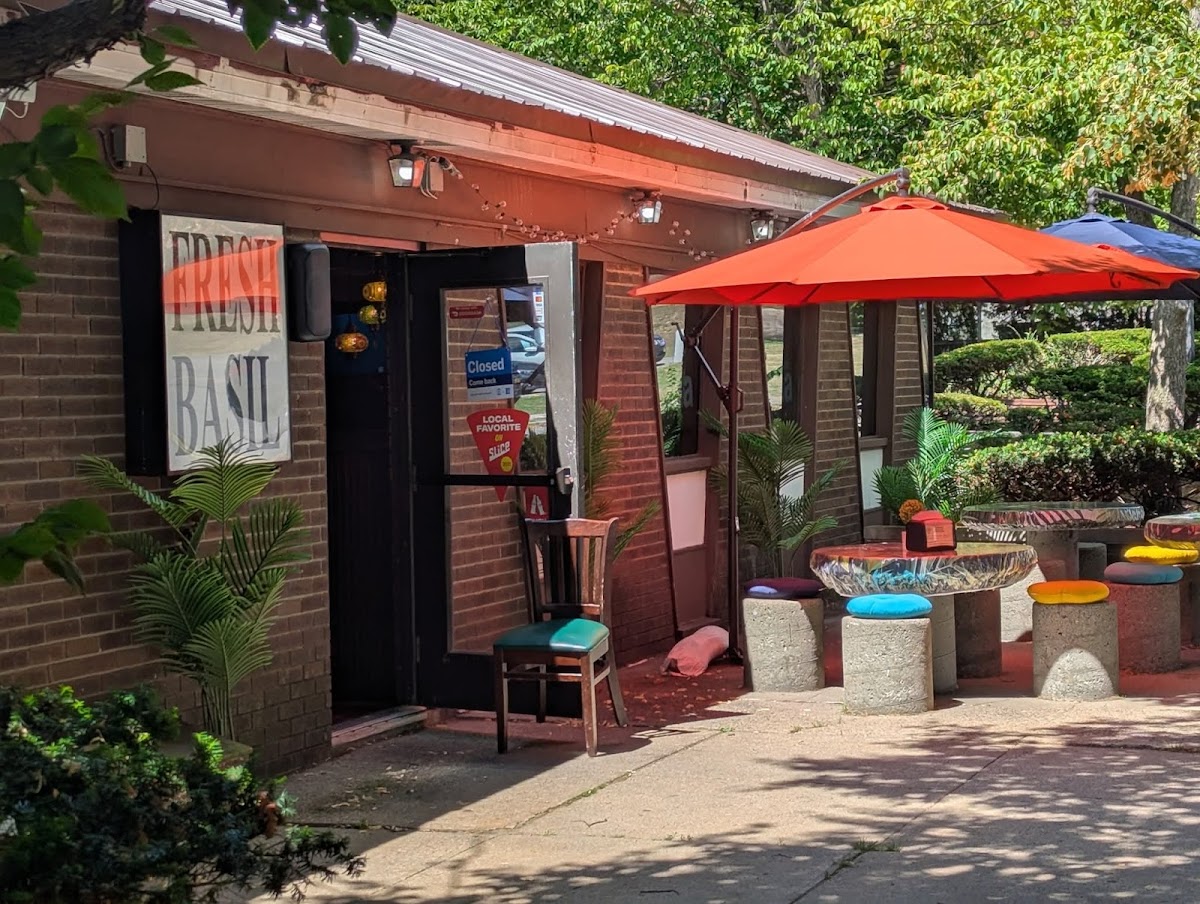
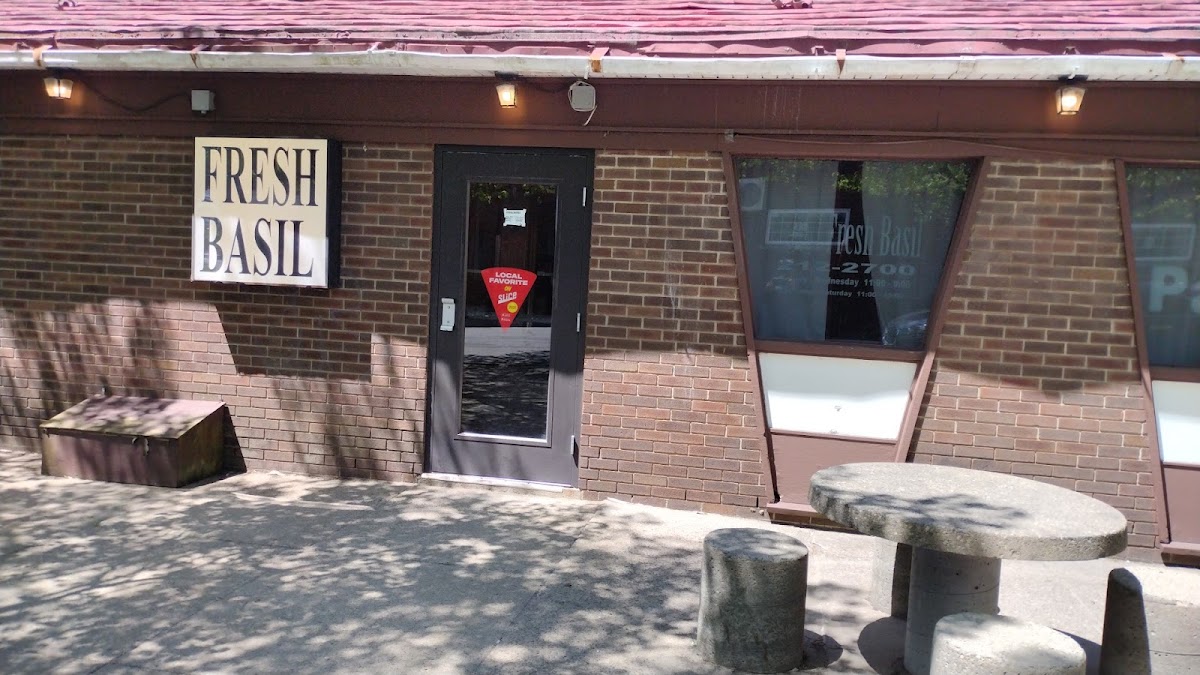
Walking into Fresh Basil feels a bit like stepping into a neighborhood secret that everyone somehow already knows. I stopped by the location at 2 Washington St, Amsterdam, NY 12010, United States on a busy Friday evening, and the first thing that hit me wasn’t just the smell of herbs and simmering sauces, but the steady hum of regulars chatting with staff like old friends. That kind of atmosphere doesn’t happen by accident; it’s built over time, plate by plate.
I’ve worked alongside chefs who swear by fresh herbs over dried ones, and basil is often the deal-breaker. Research from the U.S. Department of Agriculture shows that fresh basil contains higher levels of essential oils like eugenol, which directly affect aroma and flavor. You can taste that difference here. Their kitchen treats basil as a core ingredient, not a garnish, folding it into sauces, sprinkling it over pasta, and blending it into house-made pesto that tastes bright and alive rather than flat or oily.
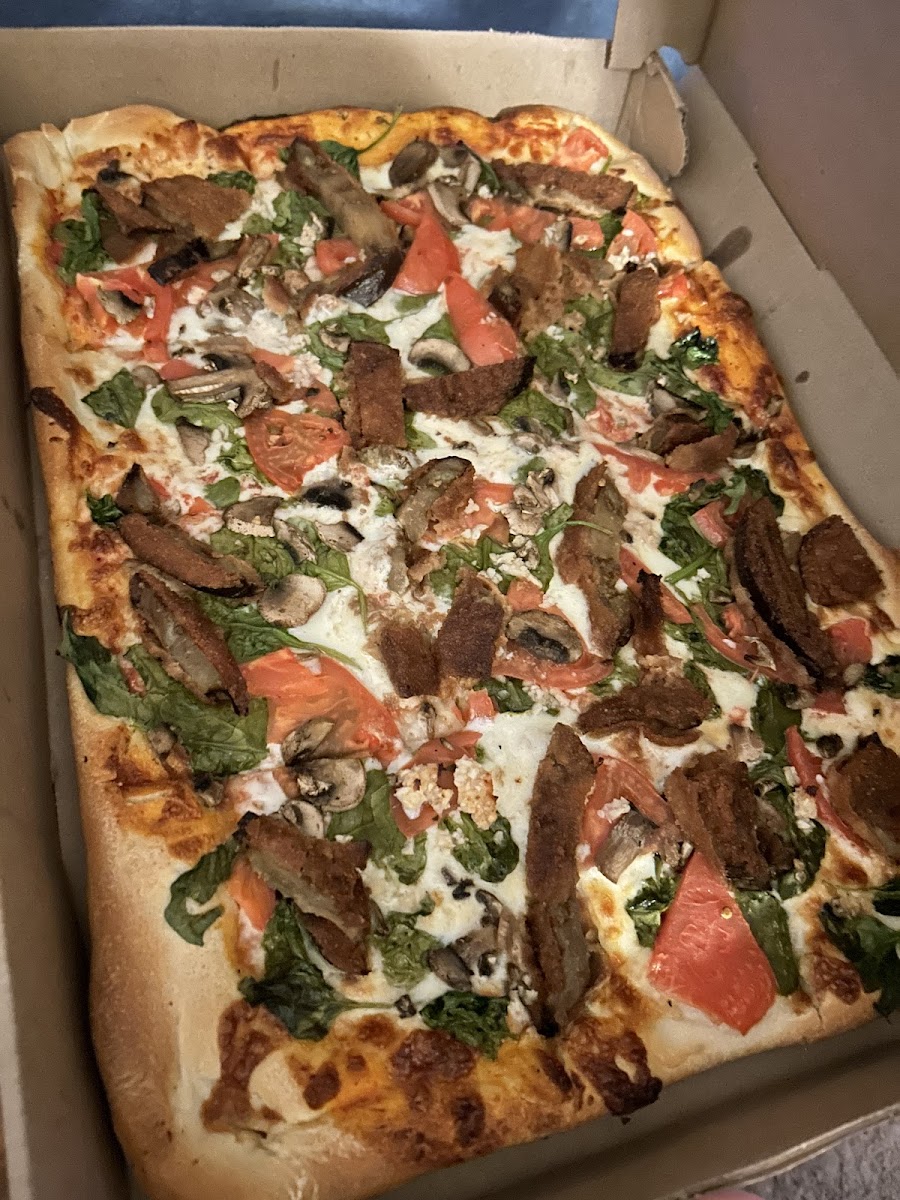
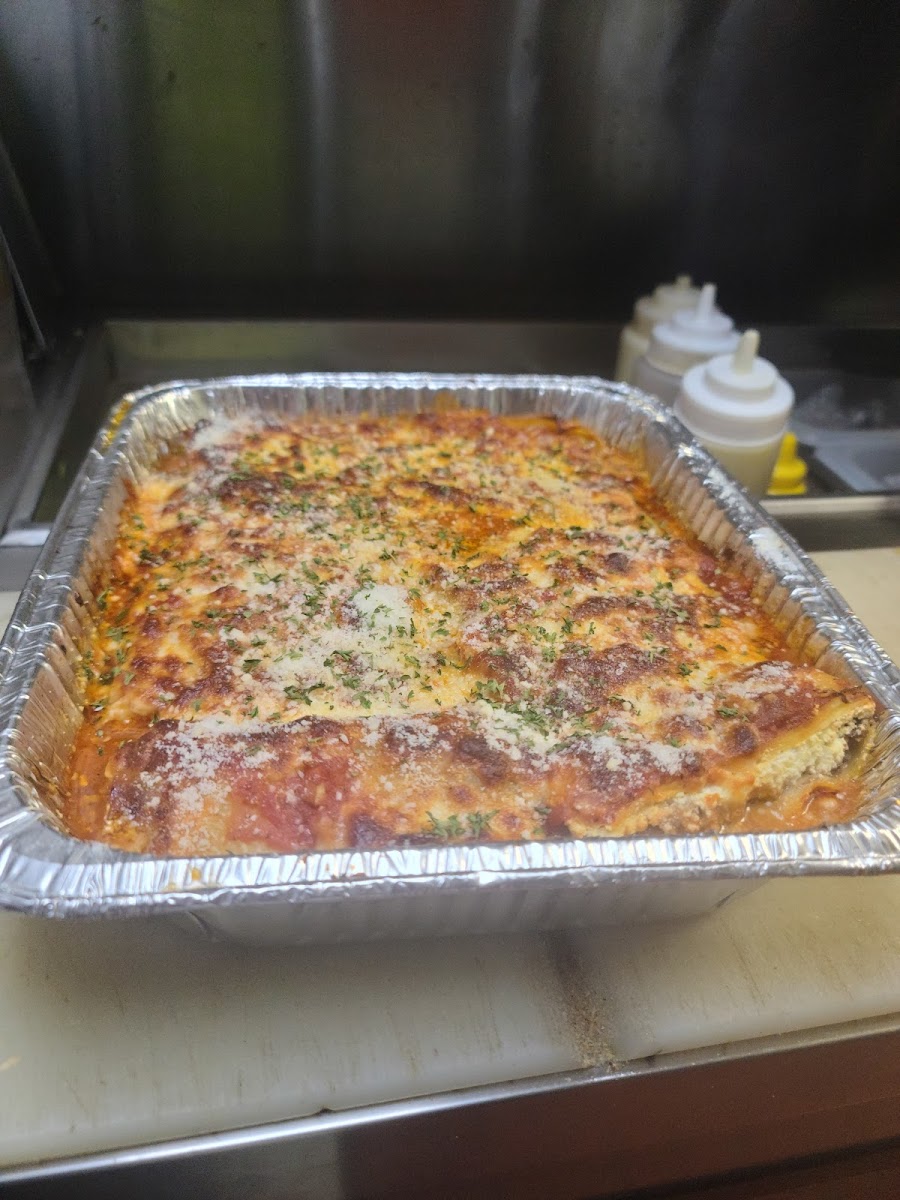
The menu is approachable without being boring. You’ll see familiar Italian-American staples, but each dish has a small twist that shows intention. I ordered a classic chicken parm, something I’ve eaten hundreds of times while reviewing diners and casual restaurants across New York State. The sauce here stood out. It wasn’t overly sweet, and the basil flavor came through cleanly, suggesting the leaves were added late in the cooking process, a technique chefs use to preserve volatile oils. That small choice makes a big difference, and it’s the kind of detail that separates average food from memorable meals.
Talking with the staff, I learned they source produce from regional distributors whenever possible, adjusting recipes slightly based on seasonal availability. That flexibility is something culinary schools now actively teach, especially as organizations like the Culinary Institute of America emphasize ingredient-driven cooking. It also explains why reviews often mention consistency without sameness. Regulars know what they’re getting, but they also notice subtle improvements over time.
Beyond the food, service plays a huge role in why people keep coming back. During my visit, a server noticed a customer hesitating over the menu and casually offered a sample of their basil-forward tomato soup. That kind of confidence comes from knowing your product is solid. According to hospitality studies published by Cornell University, small gestures like this significantly increase customer satisfaction and repeat visits, especially in locally owned restaurants.
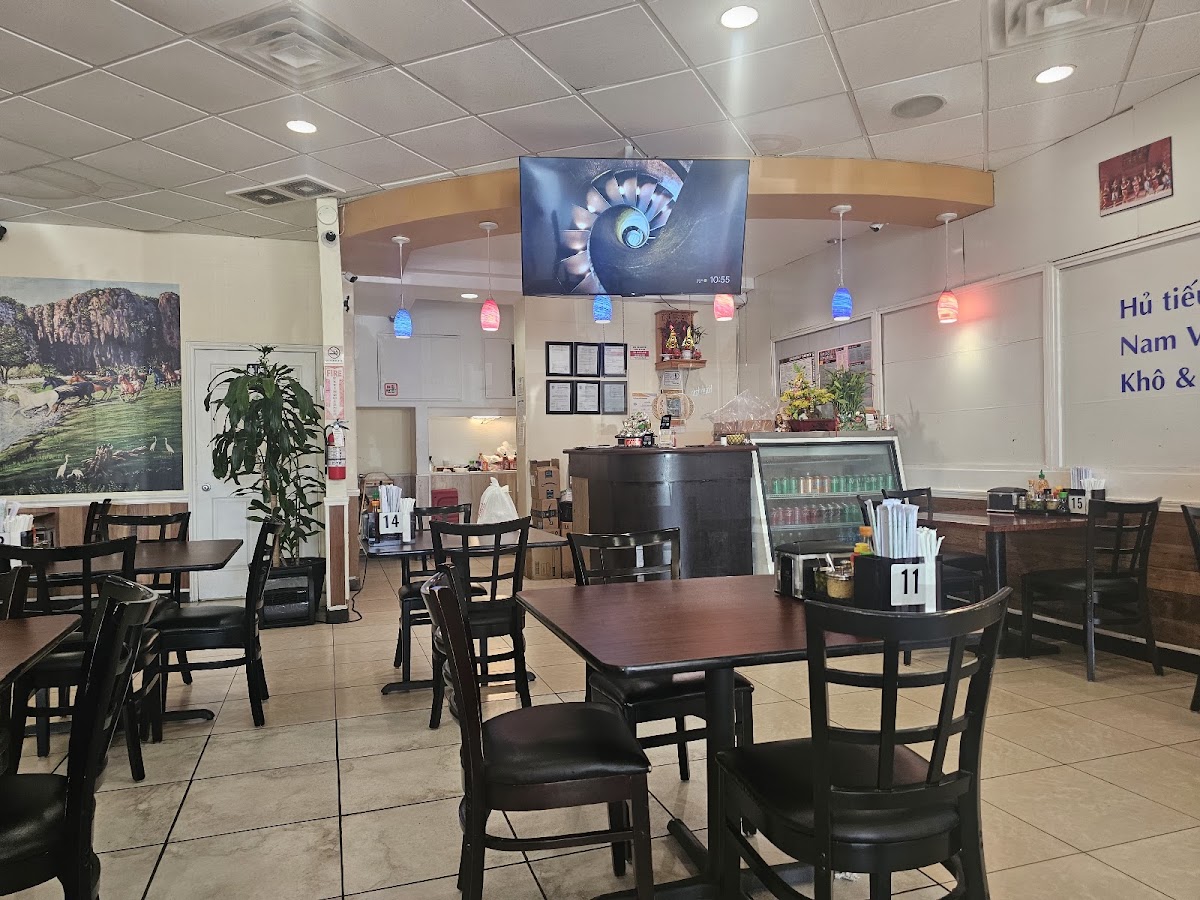
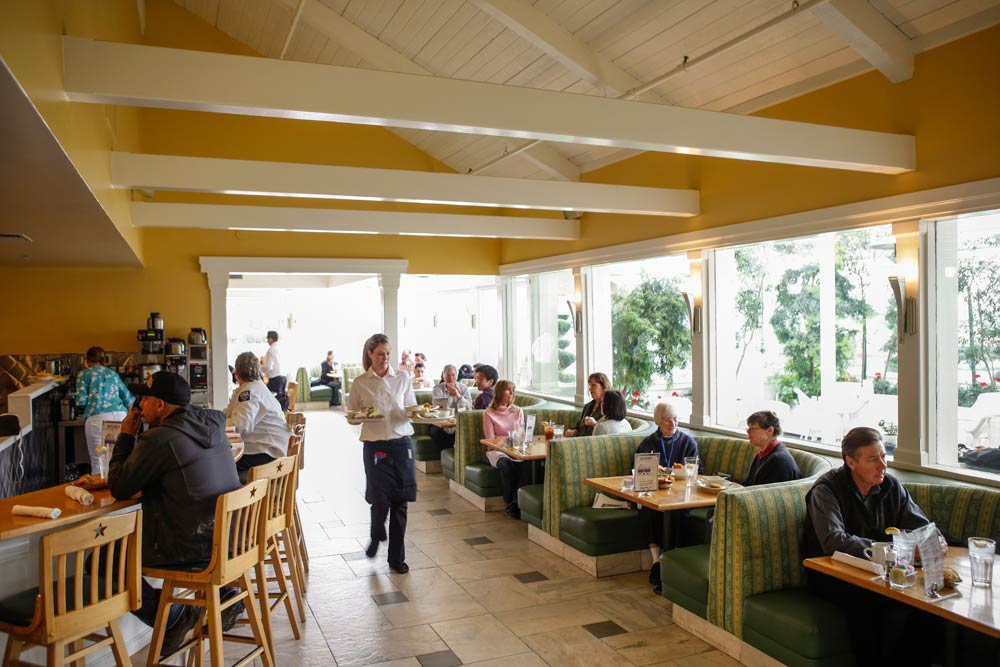
The dining room itself is simple and comfortable, more diner than fine dining, which works in its favor. You’re not rushed, and you don’t feel out of place whether you’re grabbing lunch in work clothes or meeting friends for dinner. Reviews online frequently mention how easy it is to relax here, and that aligns with what I experienced firsthand. One long-time customer at the next table told me she’s been coming weekly for years because the food feels reliable in a world where restaurants change constantly.
Of course, no place is perfect. Parking near Washington Street can be tight during peak hours, and on especially busy nights, ticket times may run a little long. Still, transparency helps. Staff openly acknowledge wait times, and the kitchen clearly prioritizes quality over speed, which I’d argue is the right call.
What stands out most is how thoughtfully basil is woven into the identity of the restaurant. It’s not just a name; it’s a promise. From sauces to salads, that fresh, herbal note anchors the menu and gives the food a sense of purpose. In a town with plenty of dining options, this spot manages to feel both familiar and distinctive, and that balance is harder to achieve than it looks.